
Update Bonds: Interest rates on hold
30/10/2026 • 2 minute read
Global bond markets were focused on central bank decisions, inflation trends and the outlook for economic growth this week. Investors expected both the Federal Reserve (Fed) and the European Central Bank (ECB) to leave policy rates unchanged at their October meetings, which they did. As these decisions were widely expected, they generated little market reaction.
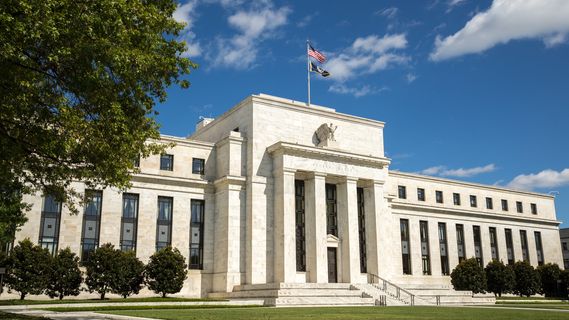
In the US, the Treasury market moved only modestly over the week. The Fed left its target policy rate unchanged at 3.75%–4.00%. This provided little relief to bond markets. Economic activity remains resilient and inflation stays above the Fed’s target, which leaves the possibility of further rate increases on the table. Yields on shorter-term bonds therefore remained closely tied to expectations for future Fed decisions. Investors are pricing in more than an 80% probability of a 0.25 percentage point rate increase at the December meeting. Attention will now turn to next week’s labour market and business activity reports. These will provide further clues about the outlook for interest rates. Strong employment data, combined with resilient manufacturing and services activity, would reinforce expectations that interest rates will remain higher.
In Europe, ECB President Christine Lagarde announced that she will step down on 7 February 2027, before the end of her term in October. Her early departure had been expected for some time, which limited the market reaction. Attention is now turning to her successor, with former Dutch central bank governor Klaas Knot and former Spanish central bank governor Pablo Hernández de Cos among the leading candidates.
Meanwhile, two themes dominated the European bond markets. First, the ECB left its deposit rate unchanged at 2.50%. The decision came against a more challenging backdrop. Eurozone inflation rose to 3.8% in September, and economists expect next week’s inflation figure to move higher. Furthermore, elevated energy costs continue to complicate the outlook. At the same time, weakening economic momentum strengthens the case for a cautious policy approach from the ECB.
Second, France remained a key focus for investors. Moody’s, one of the major credit rating agencies, maintained France’s Aa3 credit rating and kept its outlook negative. This sparked a strong rally in French government bonds. The spread between 10-year French and German government bond yields tightened sharply, and recorded its largest one-day contraction in six years. However, French bond spreads remain high by historical standards. This reflects concerns about the sustainability of France’s public finances, sluggish growth and weakening consumer confidence.
Against this backdrop, we continue to prefer high-quality corporate credit over sovereign debt. Although credit spreads widened over the month, investment grade issuers with strong balance sheets and resilient cash flows appear well positioned to navigate market volatility and absorb higher financing costs. They are also better positioned to maintain their credit quality in the current uncertain environment.