
Update Bonds: More hikes expected
09/10/2026 • 3 minute read
Leading government bond yields touched multi-decade highs last week. 10-year US Treasury yields reached 5.35% (a new high since March 2002, 5.4%) and German 10-year Bund yields 3.51% (since 2008). This is partly driven by fears that there will be more rate hikes from central banks.
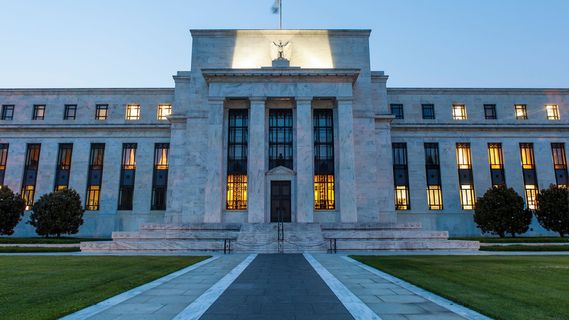
This narrative was confirmed by the latest publication of the meeting minutes of the US Federal Reserve (Fed). The latest rate hike was supported unanimously, amid rising inflation and war-driven higher oil prices. There is growing belief that it is not over yet. Additionally, in most countries, the current central-bank policy is not that restrictive, with inflation above target, economic growth indicators strong, and price stability as central banks’ dominant mandate.
The focus of bond markets most recently is the French debt situation. It is not the outright yield level of 4.91% (close to the high of 2002, which is in line with 10-year Bund yields) that drew attention, but the spread level versus Bunds. The spread between the German Bund and 10-year French government bond, the OAT, (Moody’s Aa3-negative) is at 140 basis points (bps), much larger than the spread between 10-year government bond yields of Italy (Moody’s Rating Baa2-stable) and Germany, which is at 116 bps. After the European sovereign debt crisis all peripheral countries have been able to bring their house in order with the help of the European Union. France declined this help and now faces the consequences.
Moody’s last review (April 2025) of France flagged political fragmentation, which was impairing fiscal consolidation and the risk of a faster-than-expected weakening in financial metrics. Now, with upcoming elections early 2027, this could trigger a rating downgrade by Moody’s (23 October) towards single A for France. Moody’s has the highest rating of the big rating agencies for now; it could lead to allocation readjustment of EU sovereign bonds by wealth funds among others as A is not the preferred quality. It is yet too early to expect any interference from the European Central Bank (ECB), but importantly, it would have several options available should financial stability be threatened.
Europe has a broader challenge as more populist governments are surfacing and advocating more fiscal stimulus. This would lead to more debt, as there is limited fiscal room within the current fiscal planning. Financial markets must cope with a “higher for longer” narrative, with higher interest rates as a new normal. The current cost of re-finance is already increasing and with more debt in the future, this picture Is challenging. We expect this to result in steeper yield curves.
In conclusion, the government yield curve is moving up for now. It goes in waves and it will impact other markets such as the currency and the equity market. We prefer to keep the quality bias in our bond allocation, with an overweight towards corporate bonds versus sovereigns. It is too early to aggressively buy the longer end of the yield curve, but this could become an opportunity if oil prices come down combined with more clarity and direction on the geo-political front.